Darknet Markets 2026:
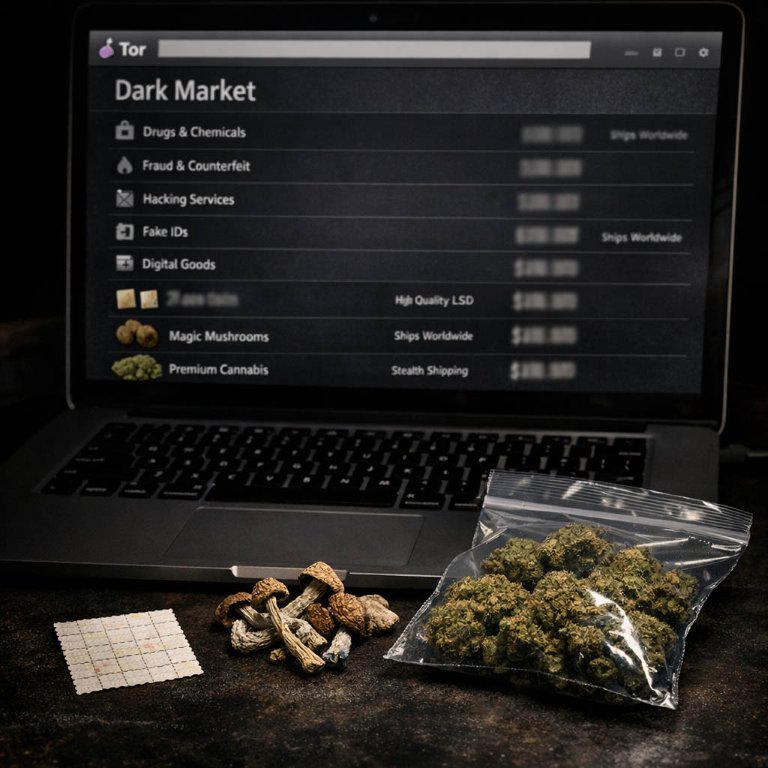
The dark web is part of the deep web but is built on darknets: overlay networks that sit on the internet but which can't be accessed without special tools or software like Tor. Tor is an anonymizing software tool that stands for The Onion Router — you can use the Tor network via Tor Browser.
| Darknet Market | Established | Total Listings | Link |
|---|---|---|---|
| TorZon Market | 2022 | 140+ | Onion Link |
| Nexus Market | 2024 | 600+ | Onion Link |
| Abacus Market | 2022 | 100+ | Onion Link |
| Ares | 2026 | 100+ | Onion Link |
| Cocorico | 2023 | 110+ | Onion Link |
Updated 2026-09-12
How buyers find trusted drug sellers on the darknet
Finding a reliable vendor is the most critical step for a buyer on a darknet marketplace. The process is systematic and relies on transparent, community-driven metrics. A vendor's reputation score, built from hundreds of completed transactions, serves as the primary indicator of reliability. This score is not a simple average; it is a weighted calculation that factors in the volume of sales and the recency of feedback, ensuring that a vendor's current performance is accurately reflected.
Beyond the numerical score, the content of user reviews provides essential qualitative data. Buyers meticulously report on product quality, shipping speed, and stealth of packaging. Consistent praise in these areas, particularly regarding the discretion of delivery methods, signals a vendor who prioritizes operational security and customer satisfaction. Vendors often cultivate their reputation by specializing in specific product categories, which allows them to refine their sourcing and shipping processes, leading to higher customer trust and repeat business.
The marketplace architecture itself facilitates this discovery. Robust search and filtering tools allow buyers to sort vendors by:
- Geographic location for shorter shipping routes
- Product category and purity levels
- Minimum order value and accepted cryptocurrencies
- Overall reputation ranking and number of completed orders
How Reviews and Ratings Make Darknet Shopping Safer
The foundation of a functional darknet marketplace is a robust reputation system. For buyers, identifying a reliable vendor is the primary challenge, solved through transparent feedback mechanisms. Each vendor profile displays a trust score, typically calculated from transaction volume, positive review percentage, and order completion rate.
User reviews provide granular, post-transaction data that goes beyond a simple rating. Buyers detail:
- the precise product quality and purity
- the efficiency and discretion of shipping and packaging
- the vendor's communication speed and professionalism
The system creates a self-reinforcing cycle of accountability. Vendors invest in maintaining high standards to preserve their reputation, which is their most valuable asset. This economic incentive aligns vendor behavior with buyer expectations, fostering a stable trading environment. The escrow service integrates with this, holding payment until the buyer confirms receipt and quality, at which point the review is left, cementing the transaction's outcome into the vendor's public record.
How Escrow Makes Buying on the Darknet Safer
Identifying a trustworthy vendor is a fundamental step for a successful transaction on a darknet marketplace. The process relies heavily on the platform's built-in reputation systems, which transform subjective user experiences into quantifiable data. A vendor's reputation score is a primary metric, calculated from historical transaction feedback. This score is not static; it accumulates over hundreds of sales, providing a statistical basis for reliability.
Beyond the numerical score, the content of user reviews offers critical qualitative analysis. Buyers detail their experience with product quality, shipping speed, and stealth of packaging. Consistent patterns in reviews, such as repeated praise for a vendor's discreet shipping methods or precise product weight, are more significant than isolated comments. Newer vendors often establish credibility by starting with smaller listings and building positive feedback incrementally.
The escrow service is the structural feature that enables this trust-based economy. It holds the buyer's cryptocurrency in a secure, third-party account controlled by the marketplace until the order is finalized. This mechanism directly protects the buyer from fraud. Only after the buyer confirms receipt of the goods does the system release the funds to the vendor. This process incentivizes honest behavior, as vendors are motivated to fulfill orders satisfactorily to receive payment.
Effective vendor selection involves analyzing several interconnected profile elements:
- The vendor's on-site tenure and total number of completed transactions.
- The detailed breakdown of positive, neutral, and negative feedback over time.
- Specific mentions in reviews about communication style and stealth techniques.
- The vendor's policy on reships or refunds in case of non-delivery, which is often facilitated through the escrow dispute resolution system.
This ecosystem of reviews, reputation scores, and secured financial transactions creates a self-regulating environment. Vendors with high reliability gain more business, while those who defect are quickly identified by the community and the escrow system, which withholds their revenue. The result is a market where secure and discreet shopping is not incidental but engineered into the transaction protocol.

Finding Reliable Vendors for Quality Products
The operational success of a darknet marketplace is fundamentally linked to the quality and reliability of its vendors. For buyers, identifying a trustworthy seller is the most critical step in ensuring a secure transaction and receiving the product as advertised. The process is systematic and relies on transparent, user-generated data.
Vendor profiles function as comprehensive business portfolios. A vendor's reputation score, typically displayed as a percentage or number, is calculated from historical transaction feedback. This metric provides an immediate, aggregate view of past performance. More detailed insight comes from reading individual user reviews, which often comment on product purity, shipping speed, and stealth packaging methods. A consistent pattern of positive reviews over an extended period is a strong indicator of vendor stability.
Marketplace architecture incorporates several features to facilitate this evaluation:
- Escrow services automatically hold a buyer's cryptocurrency until the order is confirmed as delivered, which protects the buyer and incentivizes the vendor to fulfill the order correctly.
- Detailed vendor statistics are publicly listed, including the number of completed transactions, the percentage of resolved disputes in the vendor's favor, and their registration date.
- Communication tools allow for direct, encrypted messaging, enabling buyers to ask specific questions before purchasing.
Seasoned vendors understand that their digital reputation is their primary asset. Consequently, they invest significant effort into operational security and consistent service. They provide accurate product descriptions, use reliable discreet shipping techniques to avoid detection, and engage professionally in dispute resolution. This professionalization creates a self-reinforcing cycle where reputable vendors attract more business, further solidifying their standing and the overall economic stability of the marketplace platform.
How Darknet Vendors Ensure Safe and Discreet Delivery
The foundation of a successful transaction on a darknet marketplace is the selection of a reliable vendor. Buyers systematically evaluate vendor profiles, where a high reputation score and a long history of completed sales are primary indicators of trustworthiness. This reputation is built directly from user feedback and detailed reviews left on the product listings.
Reviews provide specific data points that go beyond simple satisfaction, often detailing:
- The stealth and professionalism of packaging
- The accuracy of the product description versus what was received
- The speed and reliability of shipping
- The vendor's communication style
Vendors with consistent positive feedback in these areas, particularly regarding discreet shipping methods, naturally attract more business. They employ various techniques to ensure package integrity and anonymity, such as vacuum sealing, using non-transparent materials, and employing decoy items. A vendor's listing will often specify their shipping protocols, and experienced buyers prioritize those who are transparent and consistent in their methods.
The escrow system further mitigates risk. Funds are held by the marketplace until the buyer confirms receipt and quality of the product. This mechanism incentivizes vendors to maintain high standards in product quality and shipping discretion to ensure the timely release of their payment. Consequently, a vendor's willingness to use escrow, rather than demanding direct payment, is another marker of reliability.
How Trust and Secure Systems Drive Darknet Drug Trade Growth
The sustained economic expansion of the darknet drug trade is fundamentally linked to the development of sophisticated systems for finding reliable vendors. This growth is not random but is driven by a self-reinforcing cycle of trust and commerce. As the market's total volume increases, the value of a positive reputation for a seller becomes a critical financial asset. This transforms user feedback from simple comments into a powerful economic signal.
Vendors with established, high-rated profiles are the engines of market growth. They achieve reliability through consistent performance in two key areas:
- Product quality matching the advertised description
- Discreet shipping and professional stealth that ensures delivery
The process for a buyer involves analyzing this publicly available economic data. A vendor's sales history, detailed review scores, and time active on the platform are quantitative metrics that directly correlate with transaction safety. Markets facilitate this by structuring their feedback systems to highlight these metrics, effectively crowd-sourcing vendor vetting. This reduces risk for new buyers and lowers the barrier to entry, fueling further market growth.
Escrow services provided by the marketplace act as a financial stabilizer within this economy. They hold payment until the buyer confirms receipt, which protects the buyer's funds and incentivizes the vendor to fulfill their part honestly. This mechanism directly supports the growth of high-value transactions that would otherwise be too risky. The result is a more stable and expanding commercial environment where secure shopping is the standard, encouraging repeat business and economic scaling.
How Darknet Markets Keep Shopping Secure and Private
Finding reliable vendors on a darknet marketplace is a process built on transparent reputation systems. Each vendor profile displays a trust score, typically calculated from transaction volume and positive feedback. User reviews are detailed, often commenting on product quality, shipping speed, and stealth of packaging. This creates a self-regulating environment where consistent performance is rewarded with higher visibility and more business.
Communication occurs through encrypted messaging systems integrated into the platform, preventing exposure of user identities or addresses. Before a first purchase, buyers examine a vendor's history. Key indicators include:
- The number of completed transactions.
- The percentage of positive reviews versus negative ones.
- Specific comments about the discreetness of the delivery method.
- Responsiveness in resolving disputes through the platform's escrow service.
Escrow is a fundamental security feature. Funds are held by the marketplace until the buyer confirms receipt. This protects buyers from scams and incentivizes sellers to fulfill orders accurately. For added security, many buyers start with a small order to test a new vendor's reliability before committing to larger transactions. This practical approach minimizes financial risk.
The platform architecture itself supports secure shopping. Features like two-factor authentication (2FA) for user accounts and multisignature (multisig) escrow options provide additional layers of protection against unauthorized access and fraud. The combination of technological safeguards and community-driven feedback creates a structured ecosystem where secure and discreet shopping is not just possible but is the standard operational model.