Darknet Markets 2026:
The dark web is part of the deep web but is built on darknets: overlay networks that sit on the internet but which can't be accessed without special tools or software like Tor. Tor is an anonymizing software tool that stands for The Onion Router — you can use the Tor network via Tor Browser.
| Darknet Market | Established | Total Listings | Link |
|---|---|---|---|
| Nexus Market | 2024 | 600+ | Onion Link |
| Abacus Market | 2022 | 100+ | Onion Link |
| Ares | 2026 | 100+ | Onion Link |
| Cocorico | 2023 | 110+ | Onion Link |
| BlackSprut | 2023 | 300+ | Onion Link |
| Mega | 2016 | 400+ | Onion Link |
Updated 2026-06-13
How to Find a Reliable Darknet Market Onion Address
The foundation of secure access to a darknet marketplace is its onion address, a unique identifier hosted on the Tor network. This address, a string of random characters ending in .onion, is the gateway. Locating a current and valid address is the first critical step, as these URLs change frequently due to operational security. Users typically rely on dedicated clearnet forums and link aggregators that are regularly updated by the community. These resources provide verified lists, reducing the risk of encountering phishing sites designed to steal login credentials.
Verification of the onion address is paramount. A legitimate marketplace will often have a public PGP key associated with its official channels. Before entering any credentials, users should check that the site's fingerprint matches the one published on these trusted forums. This step ensures the connection is to the genuine platform and not a malicious replica. The process of finding and verifying the correct address directly enables reliable shopping by establishing a secure and authenticated connection from the outset, forming the basis for all subsequent transactions.
How Onion Addresses Make Darknet Trade Safe and Private
The foundation of secure darknet commerce is the onion address, a unique identifier for services on the Tor network. This address, ending in .onion, is not a standard web URL but a cryptographic hash of a service's public key. When a user enters an onion address into a Tor browser, the request is encrypted and routed through multiple volunteer-operated relays. Each relay decrypts only a single layer of encryptionlike peeling an onionto reveal the next relay in the circuit. The final relay, the exit node, delivers the request to the hidden service without knowing the original user's identity or the service's full location.
This routing architecture ensures that no single point in the network possesses complete information about both the connection's source and destination. The service's physical server IP address is concealed from users, and the user's IP address is concealed from the service. This mutual anonymity is critical for establishing a marketplace where participants can interact without revealing their network location or identity. The integrity of this system relies on the correct acquisition of the onion address, which must be sourced from reputable, community-verified directories or forums to avoid phishing sites designed to compromise user security.
For a darknet market, this anonymity enables the creation of a persistent digital storefront that is resistant to simple takedowns by hosting providers or superficial network scans. It allows vendors and buyers to connect based on the market's reputation and the quality of its offerings, rather than geographical convenience. The technical separation between a user's physical identity and their market activity facilitates a commercial environment focused on transactional reliability and product standards, which are the primary drivers of sustained user engagement and market longevity.
How Escrow Makes Darknet Shopping Safer
Finding the correct onion address is the first critical step for secure darknet access, but it is only the beginning of establishing a reliable shopping environment. The true mechanism that transforms a simple listing into a secure transaction is the escrow service. This system acts as a neutral third party, holding the buyer's cryptocurrency in a secure deposit until the ordered goods are received and confirmed.
This process directly addresses the inherent trust deficit in anonymous commerce. A buyer can confidently order from a new vendor, knowing their funds are not released until satisfaction is met. Conversely, a reputable vendor is assured that the payment is secured and waiting, which incentivizes prompt and professional shipping. The escrow model creates a balanced ecosystem where both parties are protected, fostering a climate of secure deals and encouraging repeat business. Markets that implement and properly manage escrow see higher user retention and stability, as it reduces fraud and builds a foundation of transactional integrity. The technical execution of escrow, often automated through the market's platform, ensures that disputes can be mediated based on evidence, rather than hearsay, further solidifying its role as the cornerstone of safe transactions on the darknet.

How Reviews Build Trust on the Darknet
Establishing the legitimacy of a darknet market begins with verifying its onion address through independent community channels. Forums and review sites act as a collective intelligence network, where users share and vet URLs. A consistent, positively reviewed address across multiple sources indicates stability and reduces the risk of phishing. This process filters out fraudulent mirrors and directs users to the genuine platform.
Once access is secured, user feedback systems become the primary mechanism for building trust. Vendor profiles display detailed ratings and written reviews for past transactions. These reviews are not simple endorsements; they contain specific data points buyers rely on:
- Product purity and accurate weight measurement.
- Stealth and professionalism of packaging.
- Vendor communication speed and reliability.
- Shipping times and overall order accuracy.
A vendor with hundreds of positive reviews over an extended period demonstrates a proven track record. This history creates a reputational capital that vendors are economically incentivized to protect. New or unproven vendors often use an escrow service held by the market until the buyer confirms satisfactory receipt, which mitigates initial risk. The transparent feedback loop creates a self-regulating environment where quality service is rewarded with more business, and poor performance is quickly exposed and penalized by the community.
Reliable Products Build Loyalty on the Darknet
The sustained activity of a darknet market is directly correlated to the consistency and purity of its listed products. Users return to platforms where vendor reputations are built on reliable, high-quality offerings, transforming single transactions into recurring business. This economic loop begins with a successful initial purchase facilitated by a correct onion address, which grants access to a verified ecosystem.
Markets that endure prioritize a self-regulating community where feedback systems are robust. Detailed reviews and ratings for each product listing provide transparent data on:
- Chemical purity and accurate weight
- Stealth and professionalism of packaging
- Vendor communication and shipping speed
This environment rewards vendors who maintain product integrity, as their listings rise in search rankings and attract a loyal customer base. The escrow system further reinforces this standard by withholding payment until the buyer confirms satisfactory receipt, aligning vendor success with customer satisfaction. Consequently, a reliable onion address becomes a gateway not to a single purchase, but to a persistent marketplace where quality is the primary currency, ensuring its longevity and user retention.
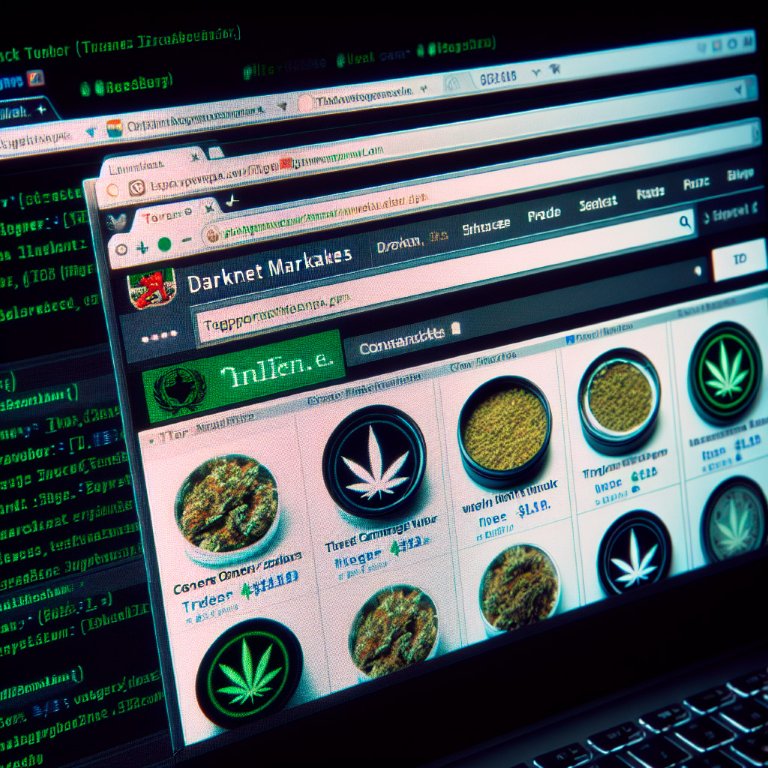
How Darknet Markets Make Drug Trade Safe
The foundation of a secure transaction on a darknet market is the correct onion address. This unique identifier, accessible only through the Tor network, is the first and most critical security checkpoint. A verified address directly prevents phishing and man-in-the-middle attacks, ensuring users connect to the genuine platform and not a fraudulent replica designed to steal funds or data.
Once access is secured through the legitimate onion link, the market's internal mechanisms take over to facilitate safe commerce. The escrow system is central to this process. Funds from a buyer are held in escrow by the market's automated system until the order is fulfilled and confirmed by the buyer. This neutral third-party function eliminates the risk of direct, unrecoverable payments and incentivizes vendors to maintain high service standards and provide quality products to receive their funds.
Security is further reinforced by the architecture of the transaction itself. Communication is end-to-end encrypted, and all financial transactions are conducted using cryptocurrencies like Bitcoin or Monero. This creates a financial layer of privacy that is difficult to trace. The combination of these featuresverified access, escrow, and cryptocurrencycreates a structured environment where deals can proceed with a high degree of mutual assurance. This operational reliability is what sustains user activity and allows established darknet markets to maintain longevity and a positive reputation within their ecosystem.
What Makes a Good Darknet Market Last
The longevity and sustained activity of a darknet market are direct indicators of its operational security and service quality. A market that endures does so because it has successfully addressed the core concerns of its user base, creating a stable ecosystem for commerce. The primary factor is the consistent and secure accessibility provided by a reliable onion address. This address acts as the gateway, and its stability prevents the disruptive "link-hopping" that erodes user trust and vendor consistency.
This stability allows for the development of a mature feedback system. Over time, user reviews and ratings accumulate, creating a transparent reputation framework for both vendors and buyers. New participants can make informed decisions based on historical data, which promotes higher transaction standards and filters out unreliable actors. The market becomes self-policing through this documented history of successful exchanges.
Central to this ecosystem is the escrow service. By holding funds until the buyer confirms receipt and satisfaction, it removes the significant risk of fraud that would otherwise cripple the platform. This mechanism enforces accountability and is a non-negotiable feature for any market aiming for permanence. It aligns the interests of all parties toward the successful completion of the deal.
Ultimately, persistence is driven by a cycle of quality and demand. Markets that last consistently offer a range of products that meet user expectations. Satisfied customers return, and reliable vendors establish long-term shops. This creates a virtuous cycle: security fosters trust, trust facilitates commerce, and successful commerce incentivizes all parties to maintain and protect the platform's integrity and its foundational onion address.