Darknet Markets 2026:
The dark web is part of the deep web but is built on darknets: overlay networks that sit on the internet but which can't be accessed without special tools or software like Tor. Tor is an anonymizing software tool that stands for The Onion Router — you can use the Tor network via Tor Browser.
| Darknet Market | Established | Total Listings | Link |
|---|---|---|---|
| TorZon Market | 2022 | 140+ | Onion Link |
| Nexus Market | 2024 | 600+ | Onion Link |
| Abacus Market | 2022 | 100+ | Onion Link |
| Ares | 2026 | 100+ | Onion Link |
| Cocorico | 2023 | 110+ | Onion Link |
Updated 2026-07-28
How Darknet Commerce Protects Privacy and Builds Trust
Darknet sites enable safe and private commerce by implementing a layered architecture of technologies designed to protect identity and secure transactions. The foundation is anonymity networking, typically through the Tor network, which encrypts and routes user traffic through multiple volunteer relays, obscuring the original IP address. This makes it exceptionally difficult to link a user's physical location or identity to their activity on a marketplace.
This anonymity is reinforced by the use of cryptocurrencies like Bitcoin and Monero. These digital currencies allow for peer-to-peer value transfer without the need for a central bank or identifiable financial institution. Transactions are recorded on a public ledger, but the parties involved are represented by pseudonymous addresses, creating a financial layer that complements the network anonymity.
To facilitate trust in an environment where legal recourse is absent, darknet platforms integrate escrow systems and reputation mechanisms. When a purchase is made, funds are held in escrow by the platform until the buyer confirms receipt. This protects buyers from vendors who might not deliver. The feedback and rating system allows both parties to build a public reputation based on transaction history, creating a self-regulating economy where reliable behavior is incentivized and poor conduct is marginalized.
Operational security is further standardized through clear practices:
- Vendors use standardized listings with precise product descriptions and terms.
- All communication is conducted via the platform's encrypted internal messaging.
- Transactions follow a predictable sequence: order, escrow, shipping confirmation, and finalization.
How Darknet Markets Work Like Secure Online Stores
Darknet sites enable safe and private commerce by creating a digital environment where standard economic principles function with enhanced security. These platforms operate on foundational technologies that prioritize user anonymity and transactional certainty. The core mechanism is the integration of cryptocurrency like Bitcoin or Monero, which acts as a private medium of exchange. This removes the need for traditional banking, severing the link between a financial identity and a purchase.
Trust is established through automated escrow systems. Funds for a transaction are held by the platform until the buyer confirms receipt of the goods. This neutral third-party function minimizes the risk of fraud for both parties, enforcing honest behavior. This trust is further reinforced by public user feedback and rating systems. Sellers build reputations over time based on transaction history, creating a self-regulating market where quality and reliability are incentivized.
Operational security is embedded in the platform design. Communication is encrypted, and personal data is never stored. Listings are standardized with clear terms, which reduces misunderstandings and disputes. The entire system is designed for transactional efficiency, mirroring legitimate e-commerce but within a framework that places privacy and security as its primary operational parameters.
How Crypto Makes Buying on the Darknet Safe and Easy
The transactional architecture of darknet sites is fundamentally enabled by cryptocurrency, primarily Bitcoin and Monero. These digital currencies provide a necessary layer of financial privacy that traditional banking systems cannot offer. Transactions are recorded on a public ledger, the blockchain, but the identities of the parties involved are represented by cryptographic addresses, not personal names. This pseudonymity is a core feature, allowing buyers and sellers to engage in commerce without directly linking their real-world identities to their financial activities on the platform.
The process is designed for operational security. A user generates a new wallet address for each transaction, a practice known as using a disposable address. This simple step significantly complicates any attempt to trace spending patterns or cluster transactions to a single entity. For enhanced privacy, currencies like Monero use advanced cryptographic techniques to obfuscate the sender, receiver, and amount of every transaction on its blockchain, offering a stronger guarantee of anonymity than Bitcoin's transparent ledger.
This financial model directly supports safe commerce by:
- Eliminating the need for personal bank accounts or credit cards, which are tied to legal identities.
- Enabling fast, borderless value transfer without intermediary financial institutions.
- Facilitating the use of escrow services held by the marketplace, which are released to the vendor only upon successful delivery, thereby building trust.

How Escrow Makes Buying Drugs on the Darknet Safe and Reliable
Escrow systems are the foundational mechanism for enabling secure transactions on darknet sites. They function as a neutral third party that holds the buyer's cryptocurrency payment until the ordered goods are received and confirmed. This design directly addresses the inherent lack of trust in anonymous environments, preventing common fraud scenarios where a seller might take payment and not ship the product, or a buyer might falsely claim non-receipt to get a refund.
The process is standardized: a buyer sends funds to a cryptographically secured escrow address controlled by the marketplace software. The seller is then notified to ship the product. Only after the buyer confirms satisfactory delivery does the escrow release the funds to the seller. This creates a balanced incentive structure for both parties. Sellers are motivated to provide quality products and reliable shipping to secure the release of their funds, while buyers can transact with confidence, knowing their payment is protected. The escrow acts as an automated enforcer of the agreed-upon terms.
This system is reinforced by the platform's feedback and reputation metrics. A successful escrow transaction typically concludes with the buyer leaving a review. Therefore, the timely and correct resolution of an escrow case directly contributes to a seller's reputation capital, which is essential for long-term business success on the platform. Disputes are handled through a moderated resolution process where evidence, such as shipping proof, can be submitted by either party for an admin to adjudicate. The integration of escrow with reputation and dispute resolution creates a self-regulating trust framework that makes anonymous commerce not only possible but predictably safe for routine economic activity.
How User Reviews Build Trust and Safety on the Darknet
User feedback systems on darknet sites function as a decentralized reputation mechanism, directly replacing the need for traditional legal contracts or third-party arbiters. Every transaction concludes with a buyer leaving a detailed review and rating for the vendor, covering product quality, shipping speed, and stealth. This creates a transparent and persistent reputation score for each seller, which becomes their most valuable commercial asset.
A vendor with consistently high ratings and positive reviews attracts more business, as buyers can trust the historical data. Conversely, a seller attempting to scam users by sending inferior products or nothing at all quickly accumulates negative feedback. This public record warns the entire community, leading to a loss of sales and effectively self-regulating the marketplace. The system incentivizes honest behavior because maintaining a good reputation is economically rational.
The feedback loop extends beyond simple ratings. Detailed comments allow buyers to report on specific aspects of the service, such as communication or packaging. This collective intelligence reduces uncertainty for new users and creates a stable trading environment where expectations are clearly set and met. Trust is not assumed but is continuously earned and verified through peer-to-peer accountability, making commerce safer and more predictable for all participants.

Clear Listings Make Darknet Trade Smooth and Reliable
Standardized product listings are a foundational element for efficient commerce on darknet sites. These platforms employ a uniform template for vendors, requiring specific, categorized information for every item. This structure transforms a potentially chaotic marketplace into a predictable and navigable environment. A typical listing must include clear details such as the substance name, precise weight or unit count, purity level, the country of origin, and the available shipping destinations.
The benefit of this system is direct. Buyers can perform quick comparisons between different vendors based on objective criteria rather than ambiguous descriptions. This reduces misunderstandings and sets accurate expectations before a transaction is initiated. The standardization extends to pricing, which is almost exclusively listed in cryptocurrency, further streamlining the decision-making process. For the vendor, a well-structured listing acts as a primary marketing tool, where completeness and clarity directly compete with rivals.
This formalized approach mirrors the functionality of mainstream e-commerce platforms, applying familiar principles of consumer protection and market transparency to a different sector. It minimizes transactional friction and builds a framework where trust can be established through consistent presentation of facts, laying the groundwork for the feedback and escrow systems that further secure the exchange.
How Darknet Security Makes Trading Safe and Private
Operational security on darknet sites is the foundational layer that enables safe and private commerce. This security is not a single feature but a multi-faceted system designed to protect user identity and transaction data. The use of The Onion Router (Tor) is primary, as it encrypts and routes user traffic through a global volunteer network of relays, effectively concealing the user's location and online activity from network surveillance.
This network-level anonymity is complemented by platform-level practices. Vendors and buyers employ cryptocurrency wallets that are not tied to their real-world identities, creating a financial layer separate from the traditional banking system. Communication is conducted through encrypted messaging systems with PGP (Pretty Good Privacy) being standard for verifying vendor identities and securing order details, preventing interception.
The platforms themselves enforce strict operational security (OPSEC) guidelines for users, which include:
- Never reusing usernames or passwords across different sites.
- Disabling JavaScript within the Tor browser to prevent potential exploits.
- Using virtual private networks (VPNs) in conjunction with Tor for an added layer of IP address obfuscation.
These combined measures create a resilient environment where commerce can proceed. The technical separation between a user's physical identity and their marketplace activity allows for the establishment of a trust-based economic system that functions on reputation and transactional proof rather than personal identification, directly enabling the discrete and secure exchange of goods.
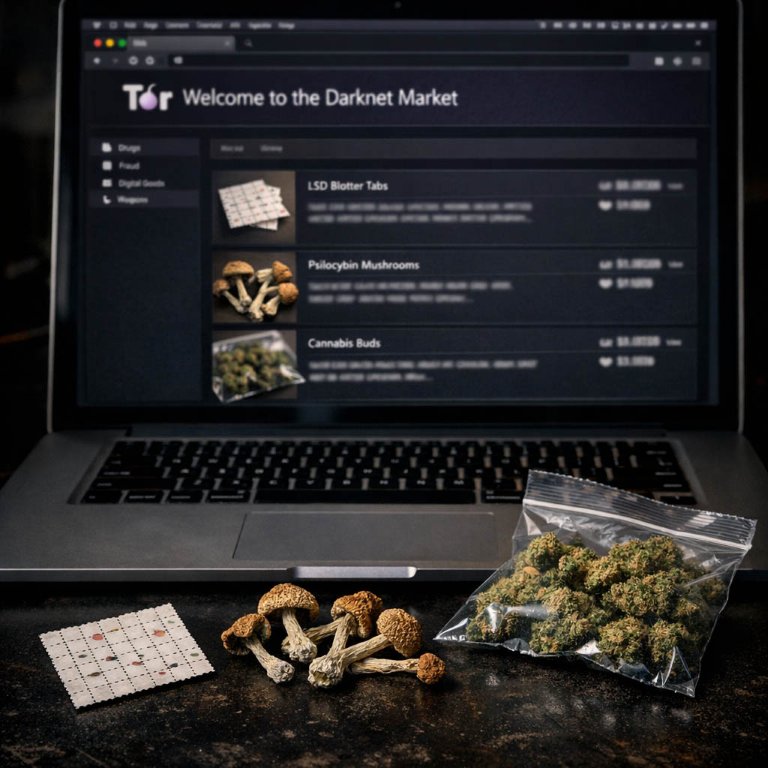
How Darknet Markets Build Trust and Smooth Sales
Darknet sites facilitate safe and private commerce by engineering their entire architecture around the principles of anonymity and transactional friction reduction. The foundational layer is the use of robust encryption and routing networks like Tor, which obfuscate user identity and location by default. This creates a protected environment where commerce can proceed without the exposure inherent in clear-net transactions.
The economic model is then built upon this anonymous foundation. Cryptocurrencies, primarily Bitcoin and Monero, serve as the payment mechanism, providing a financial layer that is pseudonymous and operates outside traditional banking oversight. This allows for direct, peer-to-peer value transfer that is difficult to trace or block.
To overcome the inherent distrust in an anonymous system, darknet platforms implement structured trust mechanisms. These are not abstract concepts but functional tools:
- Escrow services held by the platform ensure funds are only released to the vendor upon confirmed delivery, protecting the buyer.
- A transparent user feedback and rating system creates a reputation economy, where vendors with consistent positive reviews gain more business, incentivizing honest conduct.
- Standardized listing formats ensure all relevant product information, pricing, and terms are clear, reducing misunderstandings and disputes.
Operational security (opsec) protocols are integrated into the user experience, with guides and platform features designed to minimize metadata leaks. This combination of technological privacy, cryptographic finance, and engineered trust systems results in a streamlined commercial environment. The platform design directly addresses the core requirements for efficient tradesecurity, clarity, and reliabilityenabling a self-regulating marketplace that functions effectively based on the demonstrated reputation of its participants.