Darknet Markets 2026:
The dark web is part of the deep web but is built on darknets: overlay networks that sit on the internet but which can't be accessed without special tools or software like Tor. Tor is an anonymizing software tool that stands for The Onion Router — you can use the Tor network via Tor Browser.
| Darknet Market | Established | Total Listings | Link |
|---|---|---|---|
| TorZon Market | 2022 | 140+ | Onion Link |
| Nexus Market | 2024 | 600+ | Onion Link |
| Abacus Market | 2022 | 100+ | Onion Link |
| Ares | 2026 | 100+ | Onion Link |
| Cocorico | 2023 | 110+ | Onion Link |
Updated 2026-07-28
How to find a working darknet address for shopping
The operational darknet market URL is a dynamic entry point, as these platforms frequently change their .onion addresses to maintain availability. A reliable method for discovery involves using specialized link forums and community boards, which function as real-time directories updated by users. These forums verify URLs to prevent phishing, offering a layer of security. Another approach is to monitor clearnet sites that publish mirrors, though these should be cross-referenced with community feedback. The URL itself is a cryptographic hash, ensuring the authenticity of the destination. Once a potential address is found, it must be accessed exclusively through the Tor Browser, which anonymizes network traffic. Successful connection leads to a landing page requiring account creation, which should always be protected with two-factor authentication and a unique, strong password.
How Tor Browser Opens Private Markets
The Tor browser is the essential gateway to darknet markets, functioning as specialized software that anonymizes your connection. It routes your traffic through a distributed network of relays, which encrypts and obscures your original IP address. This process enables access to .onion websites, which are domains hosted within the Tor network itself and not indexed by conventional search engines.
To begin, download the Tor browser from its official project website. Upon launching, you connect directly to the Tor network. You then input a specific .onion URL into the browser's address bar. These URLs are long strings of random characters followed by .onion, acting as a unique, cryptographically verified address for the market. The browser handles the complex routing automatically, establishing a secure and private connection to the market's server.
The design of this system supports private commerce by separating a user's identity from their transactional activity. This separation allows for the free exchange of goods and services based on mutual agreement between consenting adults, without external surveillance or interference. The browser's architecture ensures that your location and browsing habits remain concealed from both the market operators and any intermediate network observers.
Link Forums Keep You Connected to Darknet Markets
The dynamic nature of darknet markets, where domains frequently change to maintain operational security, makes link forums an indispensable resource. These forums function as a community-driven clearinghouse for verified .onion URLs. When a primary market address becomes inaccessible, its operators and trusted members will typically post the new link in several prominent forums. This creates a redundant and decentralized system for information dissemination, ensuring that users are not reliant on a single, potentially compromised source.
Beyond simple link lists, these platforms provide critical context through user discussions and verification threads. A posted URL gains credibility through community vetting. Members will report on a link's legitimacy, its connection speed, and whether it matches the known PGP fingerprint of the market's official key. This collective analysis mitigates the risk of phishing sites, which are designed to steal login credentials and funds. The forum itself becomes a tool for real-time security verification.
Active participation in these communities yields further advantages. Veteran users often share insights on market stability, vendor migration, and administrative changes. Monitoring these discussions allows a user to assess a market's health before engaging. For sustained access, a practical method involves:
- Bookmarking multiple reputable forums
- Subscribing to verified market news threads
- Cross-referencing any new URL with announcements from known vendor profiles
How Encryption Protects Your Privacy on the Darknet
Encryption is the fundamental mechanism that enables private commerce on the darknet. It functions as a non-negotiable layer of security, transforming readable communication and data into an unreadable format for anyone except the intended recipient. This process ensures that all activities, from browsing product listings to finalizing a transaction, remain confidential.
When you access a darknet market, your connection is secured through multiple layers of encryption. The Tor network itself encrypts your traffic, routing it through several relays to obscure its origin. Beyond this, reputable markets enforce end-to-end encryption (E2EE) for all messages between buyers and vendors. This means that even the market administrators cannot read the contents of your communications, which typically include shipping details and order specifics. The use of PGP (Pretty Good Privacy) is standard practice; here, users encrypt their sensitive information with the vendor's public key, and only that vendor's private key can decrypt it.
The practical effect of this encryption suite is the creation of a secure environment for trade. It allows individuals to engage in transactions with a high degree of confidence that their personal information and activities are protected from interception. This privacy is not an ancillary feature but the core component that makes the ecosystem viable, fostering trust and discretion for all parties involved.
How Cryptocurrency Makes Buying and Selling on the Darknet Easy and Secure
Cryptocurrency is the financial backbone of the darknet, enabling transactions that prioritize privacy and pseudonymity. Unlike traditional payment systems, cryptocurrencies like Monero (XMR) and Bitcoin (BTC) operate on decentralized networks, allowing for direct peer-to-peer transfers without a central bank. This structure aligns perfectly with the operational needs of a darknet market, providing a layer of financial separation between the user's identity and their market activity.
The process is straightforward. A user first acquires cryptocurrency from an exchange. For enhanced privacy, this coin should then be sent through a mixing service or a series of private wallets before being deposited into the darknet market's escrow system. Monero is often preferred for its built-in obfuscation features, which make transactions inherently private and difficult to trace. Bitcoin transactions, while pseudonymous, are permanently recorded on a public ledger, requiring additional steps to enhance privacy.
Once funds are secured in the market's escrow, the user can finalize a purchase. The escrow holds the payment until the buyer confirms satisfactory receipt of the goods, after which the vendor is paid. This system, powered by cryptocurrency's immutable and trustless nature, creates a secure environment for commerce. The use of cryptocurrency not only facilitates global access but also establishes a foundation for the reputation systems and dispute resolution mechanisms that make modern darknet markets functional and relatively trustworthy spaces for trade.
How Ratings Make Darknet Markets Safer for Buyers
Vendor ratings are the primary mechanism for establishing trust and reliability on a darknet market. These systems function as a decentralized form of quality control, where the collective experience of the buyer community directly informs future purchasing decisions. A vendor's profile displays a numeric score, typically derived from user-submitted reviews, which provides an immediate, at-a-glance assessment of their service history.
The review process itself is granular. Buyers rate specific transactions across several key metrics:
- The accuracy of the product description versus what was received.
- The stealth and quality of packaging.
- The speed of shipping and overall communication.
How Escrow Makes Darknet Trading Safe and Fair
Escrow is a financial arrangement that protects both the buyer and the vendor in a darknet transaction. It functions as a neutral holding service for the buyer's cryptocurrency payment. The funds are released from escrow only after the buyer confirms satisfactory receipt of the product. This system directly enables trust in an anonymous environment.
The process follows a clear sequence. A buyer selects a product and sends the payment to the market's escrow wallet. The vendor sees the payment is secured and ships the order. Upon delivery, the buyer finalizes the transaction, which releases the funds from escrow to the vendor. If a dispute arises, such as a non-delivery or substandard product, the market's dispute resolution staff will review the evidence from both parties and decide to release the funds to the appropriate side.
This mechanism creates a balanced marketplace. Vendors are incentivized to provide quality products and reliable shipping to receive their payment. Buyers can shop with confidence, knowing their funds are not simply handed over upfront. The escrow model is a foundational element for secure and efficient commerce on darknets, reducing the risk of fraud and promoting positive trading experiences for all involved parties.
Finding the Right Product on the Darknet
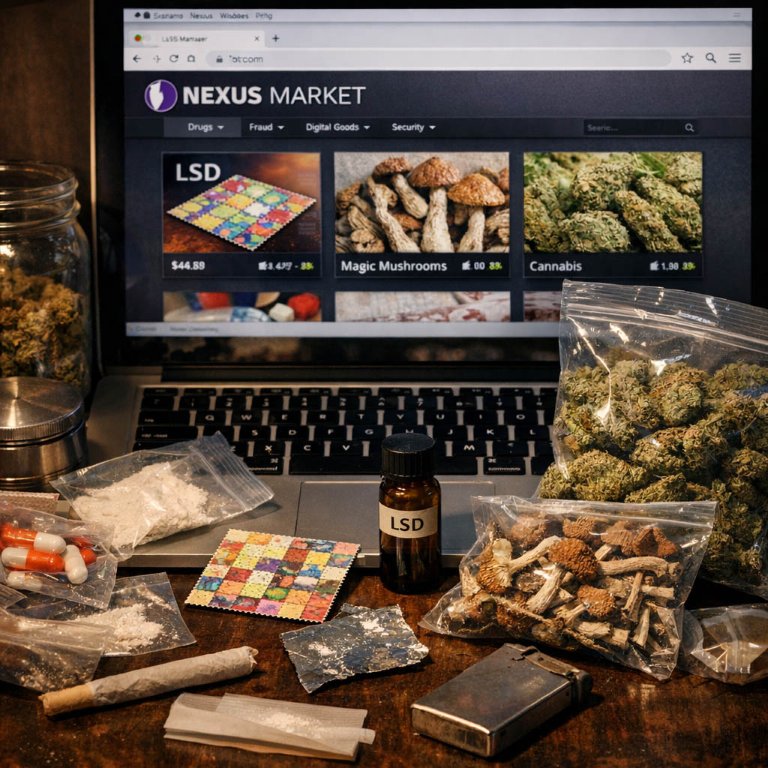
Once a functional darknet market URL is secured, the user encounters the product catalog. This interface is the operational core where commerce occurs. Listings are typically organized into categories and subcategories, similar to conventional e-commerce platforms, enabling efficient navigation. Each listing provides specific data points for evaluation.
The primary elements for analysis are the vendor's profile and the product description. A vendor's reputation score and number of completed transactions are quantitative metrics of reliability. Historical feedback in the form of user reviews is indispensable; these qualitative assessments detail experiences with product quality, shipping speed, and stealth packaging. A consistent pattern of positive reviews correlates with a lower risk transaction.
The product description itself must be scrutinized for completeness. Key details include:
- Specified quantity, purity, or concentration of the substance.
- Clear pricing in cryptocurrency, often with tiered discounts for bulk purchases.
- Documented shipping options, costs, and estimated delivery times.
- The vendor's policy on reships or refunds in case of non-delivery.
High-quality listings frequently feature product photographs with verification tags, indicating the image was uploaded to the market's server on a recent date, which helps counter false advertising. The escrow status of the listing is critical; funds should be held in escrow by the market until the buyer confirms satisfactory receipt, providing a fundamental mechanism for dispute resolution. Final selection involves synthesizing this data: cross-referencing the vendor's historical performance with the specificity of the listing and the security of the payment method to execute a purchase with minimized uncertainty.